





Home Mediversal Clinics Orthopaedics Joint replacement surgery
Joint replacement surgery
During the implantation of orthopaedic prostheses, damaged joints are replaced and the range of motion is restored.
- 6725 Szeged, Semmelweis u. 8.

15% Discount on Joint Replacement Surgery Until the End of the Year
Save up to HUF 361,500 – Exceptionally high savings!
Due to the high level of interest in our promotion, we have decided to extend our discounted joint replacement surgery offer until the end of the year.
At Mediversal, we believe that everyone deserves the freedom of movement. Our goal is to help as many patients as possible return to a more active lifestyle and enjoy greater freedom in their everyday lives.
Take the first step towards greater freedom of movement! We offer a 15% discount on all booked knee, hip and shoulder replacement surgeries, provided that the deposit is paid by 31 October 2026 and the surgery takes place no later than 31 December 2026.
What Does This Mean for You?
Knee and Hip Replacement Surgery:
Save HUF 339,000, thanks to a combined 15% discount on surgical and inpatient care fees.Shoulder Replacement Surgery:
Save HUF 361,500, thanks to a combined 15% discount on surgical and inpatient care fees.
Terms and Conditions
The offer is valid exclusively for patients who schedule their surgery between 15 June and 31 October 2026.
To secure the discounted price, a surgical deposit equal to 30% of the discounted fee must be paid within 5 business days of receiving the quotation.
The surgical procedure must take place no later than 31 December 2026.
Important Information:
The discount applies exclusively to surgical and inpatient care fees. Unfortunately, no discount can be provided on the cost of implants or any other implanted medical devices.
For further information or to book an appointment, please call +36 62 998 350 or schedule an online orthopaedic consultation.

At the Mediversal Clinics private orthopaedic clinic in Szeged, our patients can choose from a range of conventional and modern joint replacement surgeries. Our treatments help reduce pain and restore stable, weight-bearing joint function. Whether you are suffering from advanced osteoarthritis, joint deformity or loss of function following an injury, we will help identify the cause of your symptoms and support your long-term, safe recovery with a personalised, state-of-the-art surgical solution.
What is the purpose of joint replacement surgery?
Severe musculoskeletal pain makes everyday life a struggle. The aim of joint replacement surgery is to relieve musculoskeletal pain and restore mobility in cases where function has been lost as a result of advanced osteoarthritis, joint deformity or injury.
Modern orthopaedics now offers personalised, precise solutions: Mediversal’s renowned knee, hip and shoulder specialists use both conventional and state-of-the-art CORI robot-assisted surgical procedures to help our patients regain their quality of life.
When can joint replacement surgery become necessary?
Joint replacement surgery may be necessary if conservative treatments no longer ensure an adequate quality of life and the joint damage causes persistent pain or restricted mobility. For example:
- In cases of advanced osteoarthritis (of the knee, hip or shoulder)
- In cases of persistent joint pain that does not improve despite physiotherapy or medication
- In cases of significant joint deformity
- In cases of permanent loss of function following an injury
- If a previous prosthesis is no longer functioning properly, it may be necessary to replace it, i.e. to perform a TEP revision
When is it advisable to see an orthopaedic specialist as soon as possible?
It is important to consult your specialist as soon as possible if you experience certain symptoms:
- Sudden, severe joint pain in the hip, knee or shoulder area
- Significant swelling, redness or a sensation of warmth around the affected joint
- Joint pain accompanied by fever, which may suggest an infection
- Sudden deterioration in mobility or feeling of instability when walking or using your arms
- Pain or instability around the prosthesis if joint replacement has been performed previously
- Persistent pain around the prosthesis following a fall or injury
Timely orthopaedic examination can help identify the cause of the symptoms and allows for the appropriate treatment, or surgical intervention if necessary, to be planned as soon as possible.
Robot-assisted joint replacement surgery
The CORI™ robotic surgery system available at Mediversal Clinics supports the precise positioning of implants through real-time anatomical data collection and digital planning. A personalised surgical approach can contribute to a more balanced distribution of load and stable joint function.
Comprehensive rehabilitation to ensure the stability of surgical results
Mediversal Clinics offers the country’s most comprehensive and long-term rehabilitation programme following orthopaedic surgery. Our patients can count on our support throughout the entire recovery process: we guide them through every stage of their recovery with personalised physiotherapy, and they are under constant professional supervision. Our aim is to ensure that the results of the surgery are long-lasting and that our patients can return to their daily lives with confidence and a stable joint.
Knee replacement surgery
Knee osteoarthritis is one of the most common musculoskeletal conditions; besides causing pain, it can significantly affect walking, climbing stairs and even the quality of sleep.
When is knee replacement surgery necessary?
Knee replacement may be necessary if conservative treatment, such as physiotherapy, a course of injections or medicinal therapy, no longer alleviates the pain.
Knee replacement surgery is performed using either conventional techniques or the robot-assisted (CORI™) procedure; precise, personalised planning is backed by the professional expertise of internationally renowned specialists. Following the procedure, Mediversal Clinics’ structured rehabilitation programme – the only one of its kind in the country – supports the gradual reintroduction of physical activity, the restoration of muscle strength and the development of stable, safe movement patterns.
Symptoms which might indicate osteoarthritis of the knee include
- Knee pain that occurs during physical activity and persists even at rest
- Pain felt when standing up or starting to walk
- Morning stiffness
- Crackling or clicking sounds when moving
- Swelling, intermittent inflammation
- Gradual deformation of the knee (knock-knees or bow-legs)
- Reduced range of motion, unsteady gait
Knee replacement surgery (using conventional surgical techniques)
The aim of conventional knee replacement surgery is to replace the painful, deformed parts of the joint with a stable, precisely fitting implant that restores the knee’s alignment and balanced function.
Thanks to the use of state-of-the-art materials, precise surgical techniques and Mediversal’s personalised rehabilitation programme, knee replacement can provide a reliable long-term solution, reducing pain and improving weight-bearing capacity, thereby restoring the ability to lead an active, independent life.
The steps of knee replacement surgery
1. Preparation and exposure
The surgeon exposes the affected joint and removes the damaged cartilage surfaces and the unstable bone tissue.
2. Implant positioning
After ensuring precise alignment, the surgeon implants the prosthesis, which involves replacing the joint surfaces with specially designed metal and highly wear-resistant plastic components.
3. Assessment of stability and range of motion
During the operation, the surgeon assesses the biomechanical balance of the joint to ensure that the prosthesis effectively restores the knee’s alignment and balanced function.
4. Wound closure and starting rehabilitation
Once the operation is complete, early mobilisation and Mediversal Clinics’ comprehensive post-operative rehabilitation programme start within the first few days.
The benefits of conventional knee replacement surgery:
- A tried-and-tested method that has been in use for decades
- Predictable, stable results
- Significant reduction in pain and improvement in range of motion
CORI robot-assisted knee replacement surgery
The CORI robotic surgical system combines surgical precision with cutting-edge artificial intelligence to advance traditional knee replacement surgery.
The system provides real-time, three-dimensional modelling during surgery and offers continuous feedback on the joint’s position, axis alignment, and balance. Thus, the positioning of the prosthesis is achieved through continuously monitored execution with sub-millimetre accuracy that surpasses human precision.
The steps of CORI robotic system-assisted knee replacement surgery
1. Digital mapping and exploration
During the procedure, the CORI system creates a real-time, three-dimensional model of the knee joint, aiding in precise bone removal planning and targeted exploration.
2. Robot-assisted implant positioning
Guided by continuous system feedback, the surgeon prepares the implant site with sub-millimetre accuracy, then inserts the specially designed metal and highly wear resistant plastic components.
3. Dynamic stability check
During the procedure, axis alignment, ligament tension, and joint balance are assessed to ensure a stable, balanced knee function.
4. Wound closure and starting rehabilitation
Early mobilisation starts on the first day after surgery. Mediversal Clinics’ comprehensive, personalised rehabilitation programme supports a stable and lasting recovery.
The benefits of CORI robot-assisted knee replacement surgery:
- Personalised implant positioning
- Sub-millimetre accuracy in axis alignment
- Soft tissue sparing technique
- Potential for a longer implant lifespan
Hip replacement surgery
Hip osteoarthritis is associated with severe pain, a gradual reduction in range of motion and a significant decline in quality of life. Everyday activities – whether walking, climbing stairs or even standing up from a seated position – can become difficult and painful.
When is hip replacement surgery necessary?
In advanced cases, when conservative treatments no longer provide lasting relief, hip replacement surgery can offer a long-term, reliable solution.
At our clinic, hip replacement surgery can be performed using either the conventional technique or the robot-assisted (CORI™) procedure. The precise, personalised planning is backed by the professional expertise of internationally renowned specialists. Following the procedure, Mediversal Clinics’ structured rehabilitation programme – the only one of its kind in the country – supports the gradual reintroduction of physical activity, the restoration of muscle strength and the development of stable, safe movement patterns.
Symptoms which might indicate hip osteoarthritis include
- Hip pain felt deep in the groin, which may also be felt on the front of the thigh
- Pain radiating from the hip into the thigh or even down to the knee
- Hip pain when standing up or starting to walk
- Stiffness in the hips in the morning or after sitting for a long time
- Gradual reduction in range of motion, restricted inward and outward rotation of the hip joint
- Difficulty when climbing stairs or getting dressed (for example, when putting on socks or shoes)
- Limping or unsteadiness when walking, which may become more pronounced as hip joint wear progresses
If hip pain persists or the range of motion is significantly restricted, an orthopaedic examination is recommended to accurately assess the condition of the hip joint.
Hip replacement surgery (using conventional surgical techniques)
The aim of conventional hip replacement surgery is to replace painful, worn cartilage and bone surfaces with a durable, weight-bearing implant that ensures the joint functions in a stable and smooth manner.
Thanks to state-of-the-art materials and precise surgical techniques, the prosthesis can provide a reliable long-term solution, facilitating pain-free movement and a return to an active lifestyle.
The steps of hip replacement surgery
1. Preparation and exposure
The surgeon exposes the affected joint and removes the damaged femoral head.
2. Implant positioning
After ensuring precise alignment, the surgeon implants the prosthesis, replacing the joint with a high-quality metal or ceramic head and an acetabular component.
3. Assessment of stability and range of motion
During the operation, the surgeon assesses the biomechanical balance of the joint to ensure that the prosthesis effectively restores the knee’s alignment and balanced function.
4. Wound closure and starting rehabilitation
Once the operation is complete, early mobilisation and Mediversal Clinics’ comprehensive post-operative rehabilitation programme start within the first few days.
The benefits of conventional hip replacement surgery:
- A tried-and-tested method that has been in use for decades
- Predictable, stable results
- Significant reduction in pain and improvement in range of motion
CORI robot-assisted hip replacement surgery
During robot-assisted hip replacement surgery, the CORI system performs extremely precise, real-time anatomical data collection, providing an accurate picture of the patient’s unique bone structure and joint conditions. This enables the implant components to be positioned with sub-millimetre accuracy, while also allowing for the optimal adjustment of limb length and joint biomechanics.
Personalised planning and execution contribute to greater surgical precision, a more stable prosthesis, and faster rehabilitation, ensuring more predictable long-term outcomes for patients.
The steps of hip replacement surgery using the CORI robotic system
1. Digital anatomical mapping and exploration
During the surgery, the CORI system collects real-time data to provide an accurate picture of the hip joint’s unique anatomical conditions, assisting in planning the optimal component positioning and targeted exposure.
2. Robot-assisted cup and stem positioning
Guided by continuous system feedback, the surgeon prepares the site for the acetabular cup and femoral stem components with a high degree of precision, ensuring the correct angle of inclination, anteversion, and stable fixation.
3. Checking biomechanical balance
During the procedure, limb length, joint stability, and range of motion are assessed to help restore smooth hip function.
4. Wound closure and starting rehabilitation
Early mobilisation starts shortly after surgery. Mediversal Clinics’ personalised rehabilitation programme supports stable, safe, and lasting recovery.
The benefits of CORI robot-assisted surgery:
- Extreme precision in cup and stem positioning
- Reduced risk of dislocation
- More accurate limb length matching
- Personalised biomechanical adjustment
TEP revision
At the Mediversal Clinics private orthopaedic clinic, we perform complex revision hip and knee replacement surgeries. If a previously inserted implant becomes loose, worn, unstable or its function is impaired due to infection, revision surgery may be the solution.
What does TEP revision involve?
TEP revision (Total Endoprosthesis Revision) refers to the partial or complete replacement of a previously implanted joint prosthesis. During the procedure, the surgeon removes the malfunctioning components, assesses the bone structure and, if necessary, reconstructs it, before inserting an implant specifically designed for revision surgery.
Symptoms which might indicate that an existing prosthesis needs replacing include
- Increasing or recurring pain in the area of a previously operated joint
- Uncertainty under pressure, feeling of instability
- Swelling, onset of inflammatory symptoms
- Reduction or restriction of range of motion
- A noticeable “clicking” sound or a sensation of the joint moving
- Recurrent dislocation (particularly in cases of hip replacement)
- Fever, redness or discharge around the surgical site
- Persistent pain following a fracture around a prosthesis
Modern revision techniques enable more secure fixation and improved weight-bearing capacity, thereby reducing pain and improving stability of movement.
Thanks to the special rehabilitation programme available at Mediversal, patients can enjoy more stable and predictable knee function in their daily lives again.
Knee TEP revision
During knee replacement surgery, the previously implanted components are removed, bone grafting is performed if necessary, and then a more stable prosthesis is implanted, often with a longer stem that is specifically designed for revision surgery. The aim of the procedure is to restore the alignment and stability of the knee, as well as to replace any loose or damaged components.
The steps of knee TEP revision surgery
1. Exposure and removal of the previous implant
The surgeon exposes the affected joint and then removes the loose, worn or infected prosthetic components, as well as the damaged tissues.
2. Preparation and replacement of bone tissue
If necessary, the surgeon uses bone grafting techniques to ensure stable fixation and then prepares the joint to receive the revision implant.
3. Placement of the revision implant
The surgeon implants components specifically designed for revision surgery, often featuring reinforced or longer stems, in order to restore stability and proper alignment.
4. Assessment of stability and starting rehabilitation
During the operation, the surgeon assesses the biomechanical balance and stability of the joint; following the procedure, a personalised rehabilitation programme starts with the aim of restoring safe weight-bearing capacity.
The benefits of TEP surgery:
- Significant reduction in pain
- More stable knee joint with a higher weight-bearing capacity
- Improved range of motion and stability when walking
- A noticeable improvement in quality of life
Hip TEP revision
In the case of hip replacement, the acetabular and/or femoral components are replaced, taking into account the patient’s current anatomy and bone condition. In complex cases, bone grafting techniques and special implant systems designed for revision surgery are required to ensure stable fixation. The aim of the operation is to reduce pain, restore the stability of the prosthesis and re-establish the biomechanical balance of the joint.
The steps of hip TEP revision surgery
1. Exposure and removal of the previous prosthesis
The surgeon exposes the hip joint and then removes the loose, worn or unstable acetabular and/or femoral shaft components, as well as any damaged tissues.
2. Reconstruction of bone tissue
If necessary, the surgeon creates a stable foundation for the new implant using bone grafting techniques or special fixation methods.
3. Placement of revision components
The surgeon implants a prosthesis specifically designed for revision surgery, often featuring a reinforced or longer stem, ensuring correct positioning, stable fixation and optimal biomechanical conditions.
4. Assessment of stability and limb length, starting rehabilitation
During the operation, the surgeon assesses the stability of the joint, limb length alignment and range of motion; following the procedure, a personalised rehabilitation programme starts with the aim of restoring safe walking and weight-bearing capacity.
The benefits of hip TEP revision surgery:
- Long-term pain relief
- Smoother, stable hip joint function
- Easier walking and everyday movement
- The opportunity to lead a more active and independent life
Shoulder replacement surgery
At Mediversal Clinics’ private orthopaedic clinic, both conventional and reverse shoulder replacement surgeries are available. In cases of advanced osteoarthritis, severe joint damage or complex injuries, personalised surgical planning and precise execution can help restore stable, balanced shoulder joint function and ensure safe movement in everyday life.
When is shoulder replacement surgery necessary?
Shoulder replacement surgery offers a modern and effective solution for patients whose shoulder joint has sustained severe wear and tear or injury causing persistent pain and limited mobility. If conservative treatments, such as physiotherapy, injection therapy and pain relief medications, do not bring about lasting improvement, orthopaedic assessment and, if necessary, shoulder replacement surgery may offer a long-term solution.
The decision to operate is supported by the professional expertise of internationally renowned specialists who have extensive experience in the use of both conventional and reverse shoulder prostheses. Following the procedure, Mediversal Clinics’ structured rehabilitation programme – the only one of its kind in the country – helps patients gradually regain their range of motion, build muscle strength and develop stable, safe shoulder function.
Symptoms which might indicate wear and tear of the shoulder joint include
- Deep, dull pain in the shoulder that worsens with movement
- Night-time pain, particularly when lying on the affected side
- Difficulty raising the arm or raising it to the side
- Restricted rotational movements
- Weakness, loss of strength in the arm
- A crunching or clicking sensation when moving
- Difficulty with everyday movements, such as combing one’s hair or getting dressed
The steps of shoulder replacement surgery
1. Exposure and preparation of the joint
The surgeon exposes the shoulder joint, removes the damaged cartilage surfaces and the deformed bone tissue, and prepares the articular surfaces of the humerus and scapula to receive the implant.
2. Placement of the implant
The surgeon implants the prosthesis in accordance with the anatomical conditions; this may consist of a humeral component and acetabular replacement, or, in case of a reverse prosthesis, specially designed components.
3. Assessment of stability and range of motion
During the operation, the surgeon checks the stability of the joint, the tension of the soft tissues and the range of motion, ensuring that the shoulder functions smoothly.
4. Wound closure and starting rehabilitation
Following the operation, a personalised rehabilitation programme starts. Mediversal Clinics’ personalised rehabilitation programme supports stable, safe, and lasting recovery.
The benefits of shoulder replacement surgery:
- Significant reduction in pain
- Greater freedom of movement
- A noticeable improvement in quality of life

Last updated:
25 February 2026
This content is for informational purposes only and does not substitute for a personal medical examination. Always consult a specialist if you experience any symptoms.
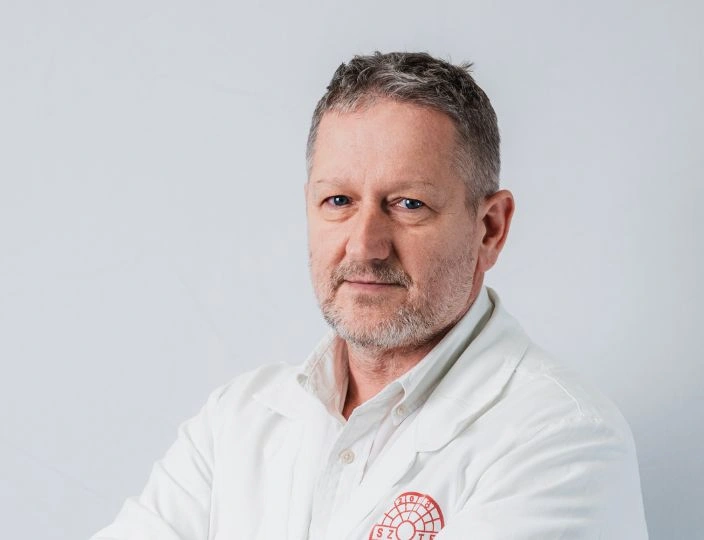
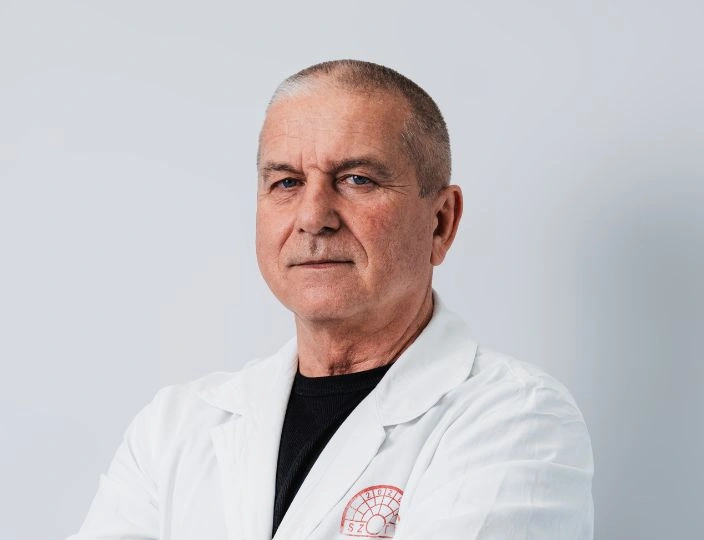
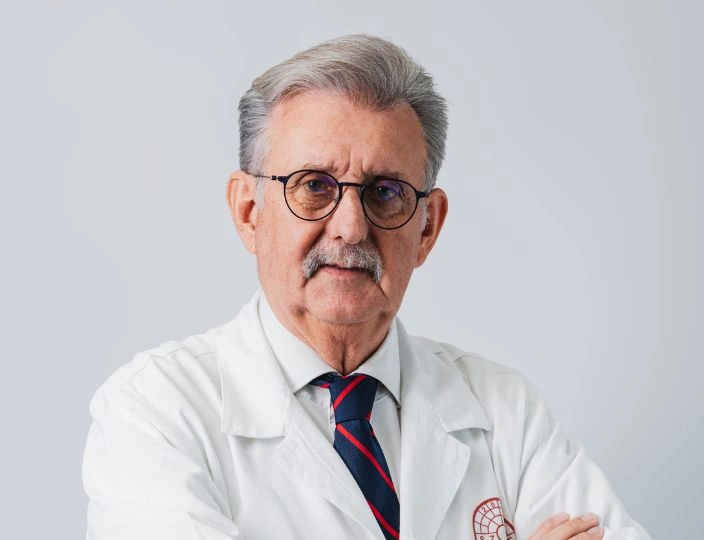
Related specialists









Kapcsolódó tartalmak

Rates
The prices displayed are for informational purposes only. The final cost of the procedure or treatment may vary depending on the specific care required, including the selected care package, necessary sample collection, and medical devices used. For a detailed quotation, please contact our Customer Service team at +36 62 998 350.
-
Knee replacement surgery From HUF 1,750,000 + high-value equipment
-
CORI robot-assisted knee replacement surgery From HUF 2,470,000 + high-value equipment
-
Hip replacement surgery From HUF 1,750,000 + high-value equipment
-
CORI robot-assisted hip replacement surgery From HUF 2,470,000 + high-value equipment
-
Shoulder replacement surgery From HUF 1,900,000 + high-value equipment
-
Knee TEP revision From HUF 2,200,000 + high-value equipment
-
Hip TEP revision From HUF 2,200,000 + high-value equipment


Book an appointment!
If you experience persistent joint pain, limited mobility, or instability during everyday activities, we recommend consulting an orthopaedic specialist. The specialists at Mediversal Clinics will help identify the cause of your symptoms through a detailed examination and recommend a personalised treatment plan.
Book an appointment for an orthopaedic consultation and take the first step towards moving with less pain.
