





Home Mediversal Clinics Orthopaedics
Orthopaedics
Comprehensive assessment and treatment of musculoskeletal conditions, from routine care to complex surgical procedures.
- 6725 Szeged, Semmelweis u. 8.

15% Discount on Joint Replacement Surgery Until the End of the Year
Save up to HUF 361,500 – Exceptionally high savings!
Due to the high level of interest in our promotion, we have decided to extend our discounted joint replacement surgery offer until the end of the year.
At Mediversal, we believe that everyone deserves the freedom of movement. Our goal is to help as many patients as possible return to a more active lifestyle and enjoy greater freedom in their everyday lives.
Take the first step towards greater freedom of movement! We offer a 15% discount on all booked knee, hip and shoulder replacement surgeries, provided that the deposit is paid by 31 October 2026 and the surgery takes place no later than 31 December 2026.
What Does This Mean for You?
Knee and Hip Replacement Surgery:
Save HUF 339,000, thanks to a combined 15% discount on surgical and inpatient care fees.Shoulder Replacement Surgery:
Save HUF 361,500, thanks to a combined 15% discount on surgical and inpatient care fees.
Terms and Conditions
The offer is valid exclusively for patients who schedule their surgery between 15 June and 31 October 2026.
To secure the discounted price, a surgical deposit equal to 30% of the discounted fee must be paid within 5 business days of receiving the quotation.
The surgical procedure must take place no later than 31 December 2026.
Important Information:
The discount applies exclusively to surgical and inpatient care fees. Unfortunately, no discount can be provided on the cost of implants or any other implanted medical devices.
For further information or to book an appointment, please call +36 62 998 350 or schedule an online orthopaedic consultation.

Musculoskeletal complaints are often caused by complex joint or soft tissue disorders, making an accurate diagnosis and appropriate treatment strategy essential.
At the Mediversal Clinics private orthopaedic clinic, cutting-edge diagnostics and surgical treatments for musculoskeletal disorders are provided by an experienced team of specialists, supported by modern surgical facilities.
Whether you are experiencing persistent knee, shoulder, or hip pain, a sports injury, cartilage wear, spinal complaints, or joint instability, our aim is to accurately identify the cause of symptoms and determine a personalised treatment strategy – utilising cutting-edge joint replacement solutions when necessary.
What does orthopaedics involve?
Orthopaedics focuses on the diagnosis, treatment, and, when necessary, surgical management of the underlying causes of musculoskeletal complaints, such as knee, hip, and shoulder pain. Timely orthopaedic assessment and treatment play a key role in reducing pain and maintaining quality of life.
Comprehensive orthopaedic care at Mediversal Clinics
The areas of expertise at our clinic include degenerative joint diseases, knee and hip pain, degenerative spinal disorders, as well as congenital and acquired musculoskeletal conditions that cause pain, stiffness, or unstable movement.
Mediversal Clinics’ private orthopaedic and trauma clinic in Szeged offers comprehensive, personalised solutions for its patients, from specialist consultations to inpatient care.
Our care focuses on exceptional surgical solutions, with particular attention to unique, complex cases that our specialists treat using the most advanced surgical procedures.
Robot-assisted knee and hip replacement surgeries
The clinic’s key area of expertise is the provision of hip and knee joint replacement surgeries. Some of our hip and knee replacement procedures are performed using cutting-edge CORI™ robot-assisted orthopaedic technology. This modern robotic surgical system supports the surgeon in the precise placement of the implant based on real-time anatomical data, enabling more personalised surgical planning and execution. This enhanced precision can contribute to a gentler procedure, more stable results, and faster rehabilitation.
Our highly trained, internationally recognised orthopaedic specialists also focus on cartilage surface procedures, the treatment of sports-related orthopaedic problems, and post-operative follow-up and care.
Post-operative rehabilitation
The Mediversal Clinics private orthopaedic and trauma clinic places a strong emphasis on post-operative rehabilitation. Our institution provides an excellent, nationally unique rehabilitation programme that supports post-operative recovery over the long term, in multiple stages.
The programme aims to help our patients regain their mobility and quality of life through a gradually structured rehabilitation process following surgery. This is particularly important following major orthopaedic procedures – such as knee or hip replacement surgeries – when appropriate rehabilitation can significantly contribute to stable joint function and a swift return to daily activities.
What sets us apart?
A unique rehabilitation programme
Our orthopaedic clinic provides a comprehensive and thorough rehabilitation programme that is unique in Hungary.
International-level expertise
At our clinic, renowned specialists with international experience provide the highest standard of care.
Robotic surgery technology
Our clinic offers precise, AI-assisted CORI robot-assisted knee and hip replacement surgeries.
Other areas
When should you consult an orthopaedic specialist?
The following symptoms may indicate a musculoskeletal or joint problem: an orthopaedic examination is recommended if you are experiencing any of these symptoms.
Complaints relating to joint pain
- Persistent or recurring knee pain
- Hip pain that worsens when walking
- Shoulder pain that restricts arm movement
- Joint pain that worsens with weight-bearing
- Pain that occurs during movement or worsens with physical exertion
- Hip or knee pain that hinders everyday movement
Limited mobility and functional complaints
- Joint stiffness, restricted range of motion
- Limping, unsteady movement, or difficulty walking
- A feeling of joint instability
Complaints related to injuries
- Sports injuries, strains, and sprains
- Musculoskeletal disorders caused by overuse
- Pain, swelling, or restricted movement following an accident
Suspected degenerative and other lesions
- Suspected joint wear, advanced cartilage wear that may warrant knee or hip replacement surgery
- A reduction in the range of motion
- Joint swelling or persistent inflammation
- Post-operative complaints or the need for a follow-up examination
When is an urgent orthopaedic examination required?
Prompt medical attention is advised in the case of certain injuries or sudden musculoskeletal complaints.
- Severe, sudden joint pain
- Visible deformity following an injury
- Inability to bear weight on or move the limb
- Significant swelling and bruising developing within a short period of time
- Pain accompanied by numbness, loss of sensation, or muscle weakness
- A sudden increase in pain following a previous surgery
What does an orthopaedic examination involve?
1. Taking a medical history
The examination begins with a detailed discussion of the patient’s symptoms. Our orthopaedic specialist will ask about the nature of the pain, how long it has been present, and any previous injuries or treatments.
2. Physical examination
At this stage, the movement, load-bearing capacity, and stability of the affected joint or body part are assessed and compared with the opposite side of the body as necessary.
3. Evaluation of imaging tests
To ensure an accurate diagnosis, an X-ray, ultrasound, or other imaging test may be required, and previously taken scans may be reviewed.
4. Establishing a diagnosis
Based on the examination results, our specialist will explain the diagnosis in a clear and easy-to-understand manner. At Mediversal, we place a strong emphasis on ensuring that patients understand what is causing their symptoms.
5. Determining a treatment plan
At the end of the examination, our orthopaedic specialist will review the possible treatment options and work with you to determine the next steps – whether that involves conservative therapy, injection treatment, or a surgical solution.
How should you prepare for an orthopaedic examination?
The aim of the orthopaedic consultation is to gain the most accurate picture possible of the background to your symptoms. With a little simple preparation, you can help make the consultation even more effective and ensure that the treatment plan is truly tailored to your individual condition.
Previous medical documents
It is highly recommended that you bring previous specialist opinions, surgical discharge summaries, outpatient records, and other relevant medical findings.
Imaging tests
If you have recent (no older than one year) X-ray, MRI, or CT scans, we suggest bringing the images with you – preferably in a digital format – as they often provide additional information beyond the written report.
List of medications
It is useful to make a list in advance of the medications you take regularly, along with their dosages, paying particular attention to painkillers and anti-inflammatory drugs.
Reviewing your symptoms:
It is worth considering how long the symptoms have been present, what triggers or relieves the pain, and whether you experience any stiffness, numbness, or restricted movement.
Clothing and questions
To facilitate the examination, we recommend wearing comfortable clothing and writing down any questions you may have in advance, ensuring all important topics are covered during the consultation.
FAQ
Is a referral required for an orthopaedic examination?
No referral is required for our private practice; appointments can be booked in advance.
How long does an orthopaedic examination take?
The consultation typically lasts 15–20 minutes, depending on the nature of the complaint and the need for any additional tests.
Is a preliminary imaging test required?
Not necessarily. If required, the orthopaedic specialist will recommend an X-ray, ultrasound, or other imaging test.
Can the doctor access my previous medical records in the cloud (EESZT), or should I bring them with me?
Although the results of medical examinations in Hungary are available in the electronic health space (EESZT), a thorough analysis of the raw imaging data (MRI, CT, X-ray) is essential for an orthopaedic diagnosis, alongside the written medical report. As high-resolution images are not always uploaded to the central system, please bring your scans with you on a CD or USB flash drive to ensure the examination is carried out safely and efficiently. This is particularly important for our patients from abroad, whose medical documentation is not accessible via the Hungarian public health systems.
When might surgery be necessary?
Your doctor will usually recommend surgery if conservative treatments fail to produce satisfactory results and your symptoms significantly impair your quality of life.
Is robot-assisted surgery available at Mediversal?
Yes, certain hip and knee replacement surgeries are available at our institution using CORI robot-assisted technology.

Szakmailag ellenőrizte: Dr. XY, idegsebész szakorvos
Last updated:
This content is for informational purposes only and does not replace a personal medical examination. Always consult a specialist if you experience any symptoms.
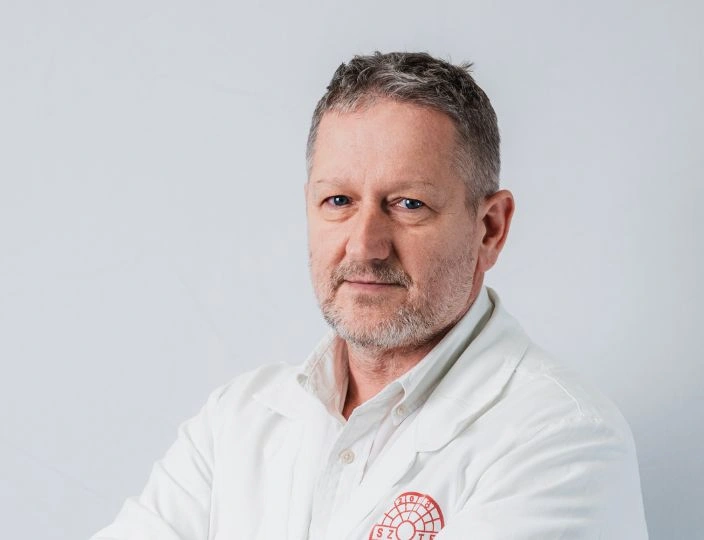
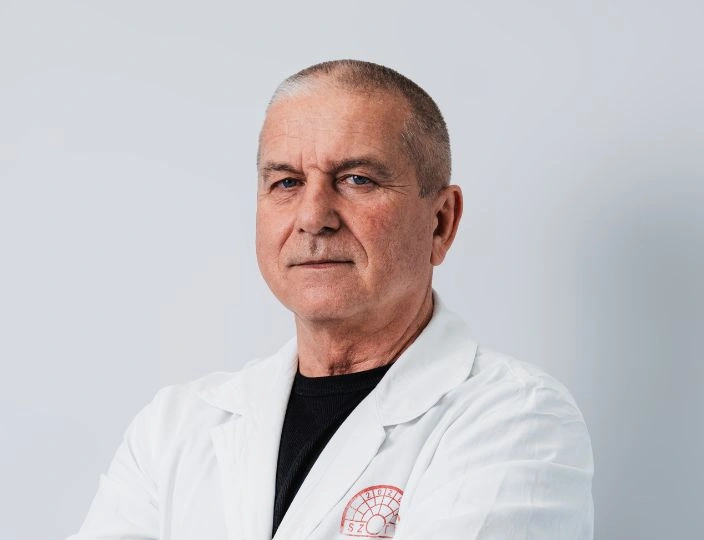
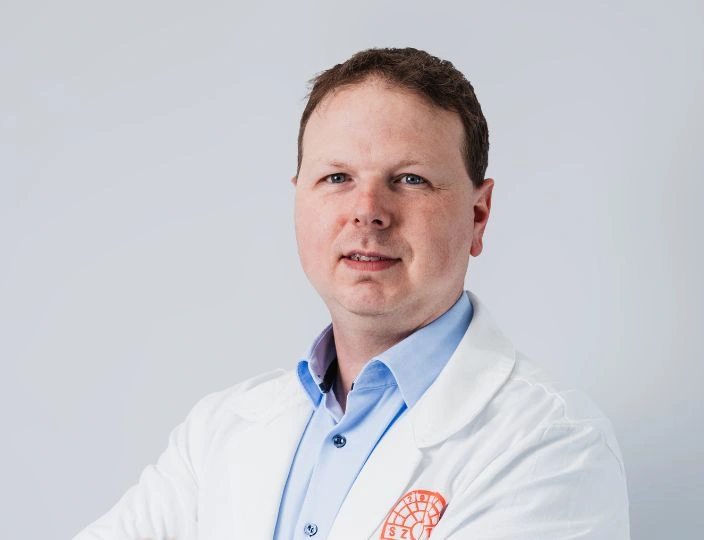
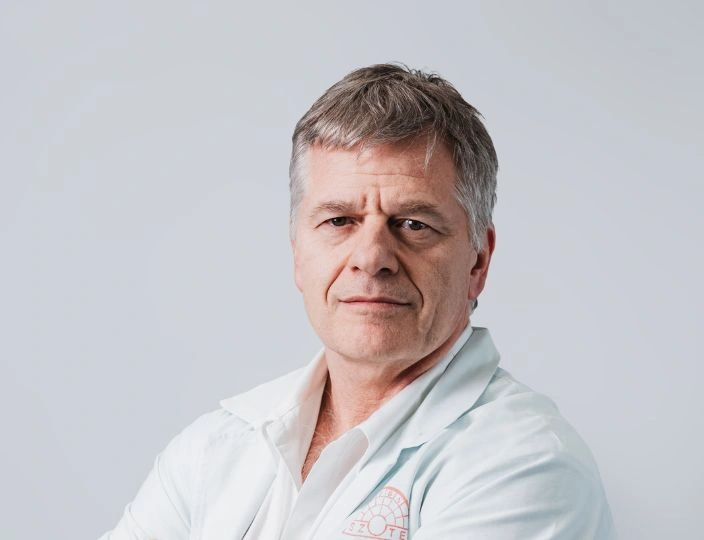
Related specialists







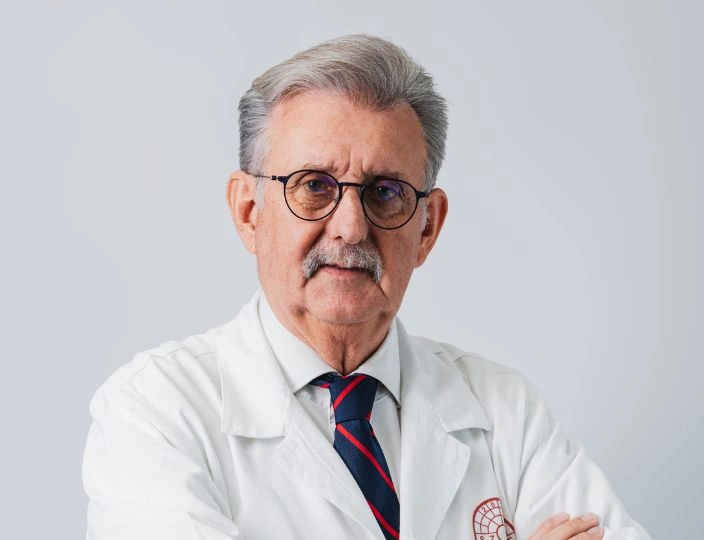

Kapcsolódó tartalmak

-
Lorem ipsum dolor sit amet yet 00.000 Ft
-
Lorem ipsum dolor sit amet yet 00.000 Ft
-
Lorem ipsum dolor sit amet yet 00.000 Ft
-
Lorem ipsum dolor sit amet yet 00.000 Ft
-
Lorem ipsum dolor sit amet yet 00.000 Ft
-
Lorem ipsum dolor sit amet yet 00.000 Ft
-
Lorem ipsum dolor sit amet yet 00.000 Ft
-
Lorem ipsum dolor sit amet yet 00.000 Ft
-
Lorem ipsum dolor sit amet yet 00.000 Ft
-
Lorem ipsum dolor sit amet yet 00.000 Ft
-
Lorem ipsum dolor sit amet yet 00.000 Ft
-
Lorem ipsum dolor sit amet yet 00.000 Ft
-
Lorem ipsum dolor sit amet yet 00.000 Ft
-
Lorem ipsum dolor sit amet yet 00.000 Ft


Book an appointment!
Book an appointment for an orthopaedic consultation at Mediversal Clinics in Szeged and receive personalised specialist care to help alleviate your musculoskeletal symptoms.
